Views: 20 Author: Site Editor Publish Time: 2024-07-26 Origin: Site
In today's rapidly urbanizing world, the construction of high-rise buildings, bridges, towers, and other engineering projects is on the rise. Hoists, as essential tools for vertical transportation, play a crucial role in these endeavors. Their safety directly impacts the lives of construction workers and the efficiency of construction operations. Among the numerous safety measures, the hoist anti-drop device stands out as a key protective mechanism, safeguarding against potential accidents. This article delves into the significance of hoist anti-drop devices and their pivotal role in preventing high-altitude falls.
I. Basic Overview of Safety Devices
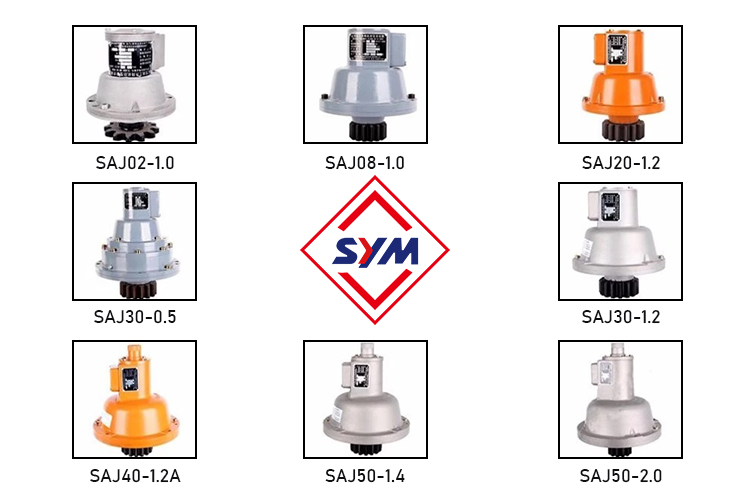
Safety devices are safety appliances installed on hoist, such as construction hoists and freight elevators, designed to automatically arrest and prevent further descent of the equipment or load (including personnel) in emergency situations. Comprising speed sensors, braking mechanisms, safety ropes (or cables), and control systems, these devices swiftly respond to abnormal acceleration or free-fall conditions, locking the system through mechanical or hydraulic means to achieve emergency braking.
II. Primary Functions of Safety Devices
Prevention of High-Altitude Falls: This is the most direct and critical function of safety devices. In the event of emergency scenarios like broken cables or electrical system failures causing loss of control, the safety device immediately activates, securing the equipment in place and effectively preventing fall accidents, thereby protecting the safety of personnel and equipment.
Enhancing Operational Safety: The presence of safety devices significantly enhances the overall safety performance of hoists. It not only provides psychological reassurance to workers but also prompts construction companies to prioritize routine maintenance and safety management, further reducing accident risks.
Compliance with Regulatory Requirements: In many countries and regions, regulations mandate the installation of effective safety devices on high-altitude work equipment, particularly hoists. Therefore, fitting hoists with safety devices is a necessary condition for legal operation and compliance with safety norms.
Emergency Response and Rescue: In emergency situations, safety devices not only halt further descent but also facilitate subsequent rescue efforts by buying crucial time. They enable rescue personnel to plan and execute rescue operations more calmly, improving the success rate of rescue operations.
III. Conclusion
In conclusion, safety devices constitute an indispensable component of high-altitude work safety, playing an irreplaceable role. They function as a sturdy defense line, safeguarding the lives of construction workers and ensuring the smooth progress of engineering projects. Hence, both construction companies and equipment manufacturers must attach great importance to the selection, installation, maintenance, and periodic inspection of hoist anti-drop devices, ensuring their optimal working condition. Additionally, society at large should enhance the dissemination of high-altitude work safety knowledge, fostering a safe and efficient production environment.